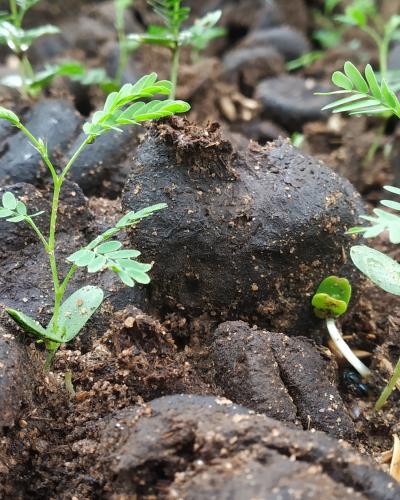
Organically cultivated soil hosts a more diverse microbiome than that of conventionally-farmed land, where many farmers treat their crops with synthetic chemicals to fight soil borne diseases....
Nov 22, 2022
By David Montgomery and Anne Biklé
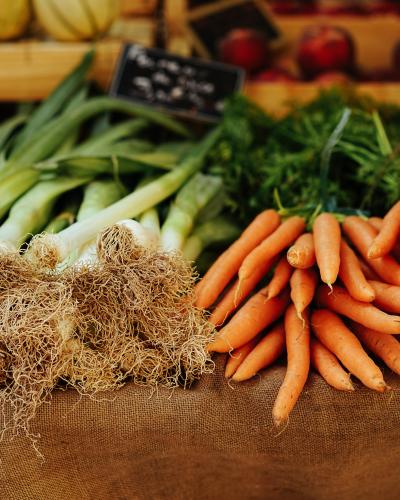
The original proponents of organic agriculture argued that healthy soils produced healthier food, a...
Sep 23, 2022
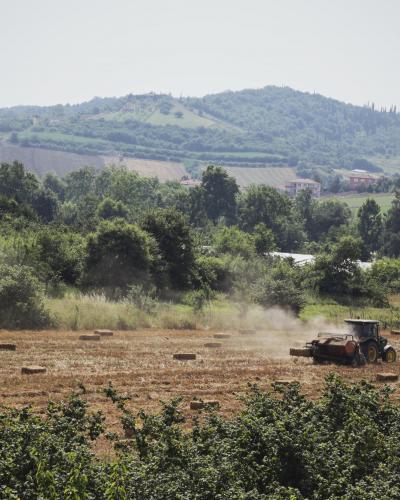
Biodiversity is a term used to refer to the number of species in one region or ecosystem, and for the first time,...

Aug 29, 2022
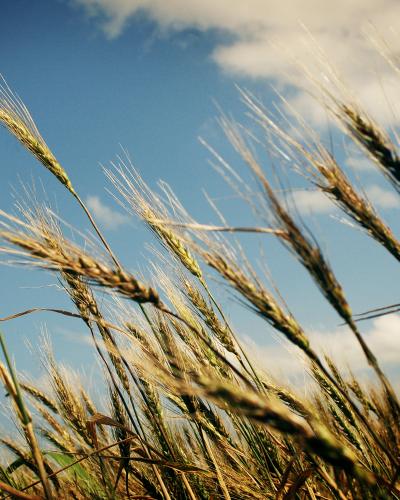
A collaborative study from USDA and Montana State University scientists delved “far into the weeds” in evaluating the global warming potential in farming organic wheat when combining sheep grazing...
Jul 12, 2022
Tomatoes produced in soils fertilized with fermented organic manures stay fresher for longer, and carry more firmness,...
Jun 27, 2022
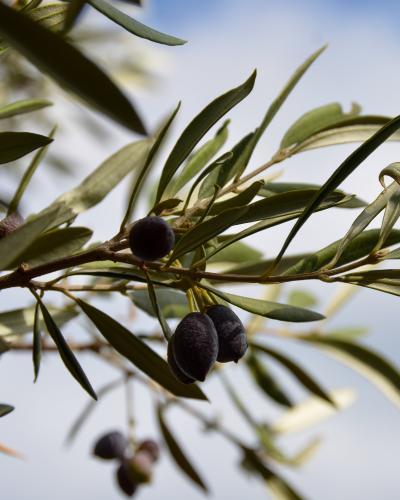
Organic olives and their oil have a reputation for being healthier and more nutritious, and their demand has grown over...

May 13, 2022
After learning that hungry chimpanzees feeding on maize fields bordering forests in Uganda benefit from the nutrition of...

May 03, 2022
One way to highlight the benefits of organic foods is through comparisons of the nutritional and flavor qualities to nonorganic foods. Some argue singular comparisons about something as complex as...
Apr 27, 2022
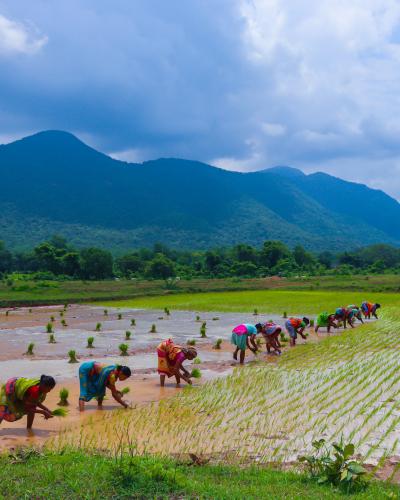
For the first time, researchers evaluated if a statewide initiative that pushes all farmers in the state of Andhra Pradesh...
Jan 03, 2022
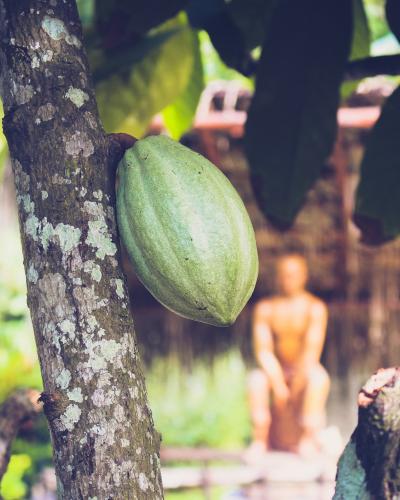
A study in the Journal of Agricultural and Food Engineering determined that using organic fertilizer produced from local sources of agricultural waste and manure results in comparable yields of...
Pages

Copyright © 2026
All Rights Reserved